(1.南京农业大学 无锡渔业学院,江苏 无锡 214128;2.中国水产科学研究院淡水渔业研究中心 农业农村部水产品质量安全环境因子风险评估实验室,江苏 无锡 214081;3.苏州市吴江区水产技术推广站,江苏 苏州 215200)
大口黑鲈(Micropterus salmoides),俗称“加州鲈”,原产于北美洲,是全球主要淡水肉食性经济鱼类之一。自20世纪70年代引入中国后,因其环境适应性强、养殖周期短及肉质细嫩等特点,迅速成为中国淡水鲈养殖的主导品种,占全国鲈养殖总量的80%以上[1]。2024年发布的《中国渔业统计年鉴》显示,2023年全国鲈养殖总产量达113.49万t,同比增长12.3%,其中大口黑鲈占比超85%,成为核心品种。从养殖模式看,淡水养殖模式占总产量的78.24%,占据主导地位。为提高大口黑鲈养殖经济效益,养殖户往往投喂大量的饲料,并进行大规模高密度精密饲养,大口黑鲈的饲料蛋白质含量通常≥45%,然而其摄食转化率仅20%~30%,约70%的未利用氮通过残饵和排泄物进入养殖系统[2]。这引发了鱼病频发、养殖尾水污染和种质退化等问题,限制了中国鲈养殖业的可持续发展。
沉积物作为氮、磷等营养盐的核心蓄积库,可截留总输入量的70%以上[3-4],在养殖系统氮循环中发挥关键作用。然而,沉积物并非永久氮汇,在物理扰动(如增氧、清淤)、化学转化(如pH波动)及微生物活动(如反硝化、矿化)等协同作用下,其储存的氮素会重新释放至上覆水体,成为养殖尾水富营养化的主要内源污染源[5-6]。磷是衡量生态系统功能状态的重要生物地球化学指标,其动态变化能够准确反映生态系统的物质循环特征和能量转化效率。在水产养殖生态系统中,氮更是关键限制性元素,其浓度水平直接决定了水体的初级生产力,并制约着整个生态系统的能量流动基础,还会引发营养级联效应,如高氨氮抑制鱼类免疫机能,而硝态氮过量则导致水华暴发,最终威胁生态系统稳定性[7]。
“两坝三区”尾水处理系统是中国大口黑鲈池塘养殖中广泛应用的尾水净化模式,其核心由沉淀池、曝气池、生态池及两个过滤坝组成,通过物理沉降、生物氧化及植物吸收等多级协同作用降低尾水污染负荷。该系统在有效拦截污染物的同时,也会导致污染物(尤其是营养盐)在系统中的不同单元沉积物间发生显著迁移、转化与再分布。目前,针对大口黑鲈养殖系统,尤其是“两坝三区”这种特定尾水处理模式,不同功能单元沉积物中营养盐(特别是不同形态氮、磷)的时空累积特征及驱动机制力的系统性研究尚显不足,现有研究多集中于循环水系统(recirculating aquaculture system,RAS)或其他养殖品种[8-10],对开放池塘结合多级净化系统的沉积物氮磷动态解析,尤其是系统内不同区域(源头-过程-末端)的对比研究尤为缺乏,因此,本研究中围绕大口黑鲈“两坝三区”处理体系沉积物中营养盐的积累特征展开研究,以期为大口黑鲈养殖的可持续发展提供科学参考。
1 材料与方法
1.1 材料
本试验选取苏州市吴江区的3个大口黑鲈养殖场作为采样点,分别记为采样点1、2、3。于8、10、12月,从每个采样点的养殖池(YZ)、净化区(JH)和尾水排放地(PS)采集表层沉积物样品,每组设置3个平行。每个采样点的经纬度、尾水模式及大口黑鲈放养状况见表1。
表1 3个采样点的参数
Tab.1 Parameters of three sampling points

采样点sampling site尾水处理模式tailwater treatment mode养殖密度/(尾·hm-2)breeding density产量/(kg·hm-2)yield per acre饵料系数bait coefficient经度/°Elongitude纬度/°Nlatitude采样点1两坝三区20083.31.4120°44'47″31°7'36″采样点2两坝三区267100.01.4120°38'57″31°0'50″采样点3两坝三区200100.01.3120°36'45″31°0'33″
1.2 方法
1.2.1 样本采集 使用彼得逊采泥斗采集养殖系统表层沉积物样品,装入自封袋后置于保温箱中,低温下运回实验室后冻干机处理,研磨,过165 μm筛,开展理化性质的检验,剩余的沉积物样品置于4 ℃冰箱冷藏,用于测定含水率和烧失量。
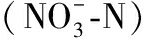
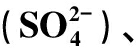
1.2.2 沉积物理化指标的测定和计算 采用碱熔-钼锑抗分光光度法(HJ 632—2011)测定沉积物中总磷含量;采用过硫酸钾消解,紫外分光光度法测定总氮含量;采用盐酸提取邻菲罗琳分光光度法测定沉积物活性铁,采用盐酸羟胺提取邻菲罗啉分光光度法测定总铁含量;分别采用纳氏试剂比色法、紫外分光光度法和N-(1-萘基)-乙二胺分光光度法测定 和
和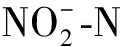 浓度;使用氯化钡(BaCl2)沉淀法(土壤中硫酸根离子的测定)测定硫酸根含量;采用重量法测定沉积物烧失量(LOI)。将样品置于瓷坩埚中,先后经105 ℃烘干6 h(去除水分)与550 ℃灼烧4 h(去除有机质),根据灼烧前后的质量差计算烧失量。计算公式为
(1)
式中:Q1为瓷坩埚质量(g);Q3为105 ℃煅烧后的质量(g);Q4为550 ℃煅烧后的质量(g)。
1.3 数据处理
试验数据均采用平均值±标准误(mean±S.E.)来表示,所得参数利用Excel 2021软件进行简单分析整理,采用SPSS 27软件对同一时间不同池塘类型、同一池塘类型不同时间土壤理化性质进行单因素ANOVA检验,采用GraphPad完成图的制作,采用OriginPro 2024软件对不同的营养物质进行spearman相关性分析并画图。
2 结果与分析
2.1 沉积物烧失量、总氮、总磷含量的变化
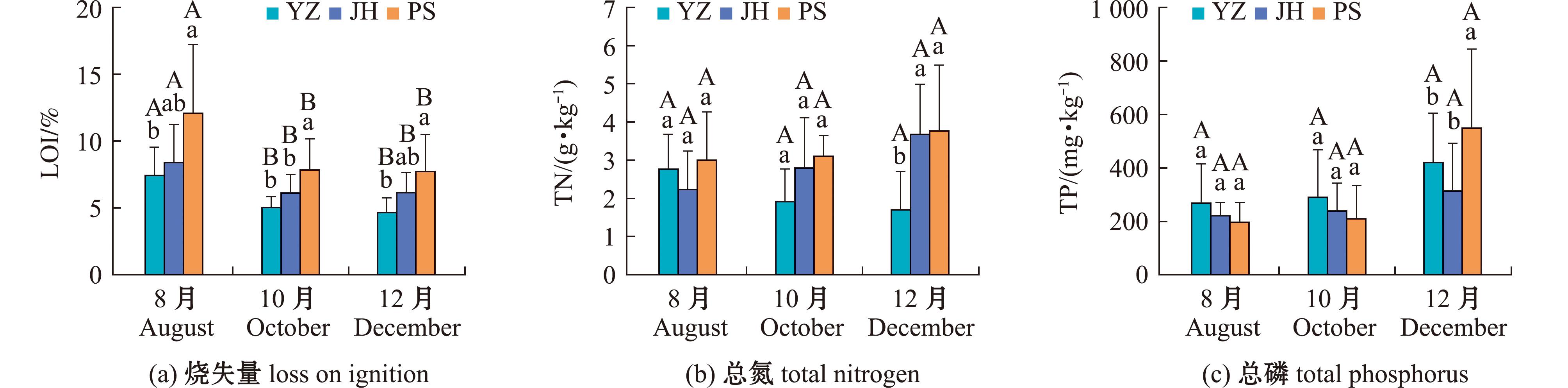
大口黑鲈养殖周期内,沉积物中的LOI、TN和TP含量的变化如图1所示。养殖尾水中存在大量的有机质,随着养殖尾水的排放,同一养殖时期,LOI逐渐增加,尾水排放地的LOI与养殖池和净化区有显著性差异(P<0.05),达到同时期最大值,8、10、12月分别为(12.09±2.57)%、(8.85±0.89)%、(8.22±2.41)%。同一池塘类型条件下,随着养殖周期的进行,沉积物的LOI呈降低趋势,8月样品LOI显著高于12月(P<0.05),但10月和12月间下降并不明显(P>0.05)。尾水排放地的TN含量明显高于养殖池和净化区,随着养殖尾水的流动,10月和12月,TN含量逐渐上升,12月养殖池TN含量显著低于净化区和尾水排放地(P<0.05),8月,TN含量呈先减少后增加的趋势。随着养殖周期的进行,养殖池中TN含量逐渐下降,净化区和尾水排放地中的TN含量逐渐增加。
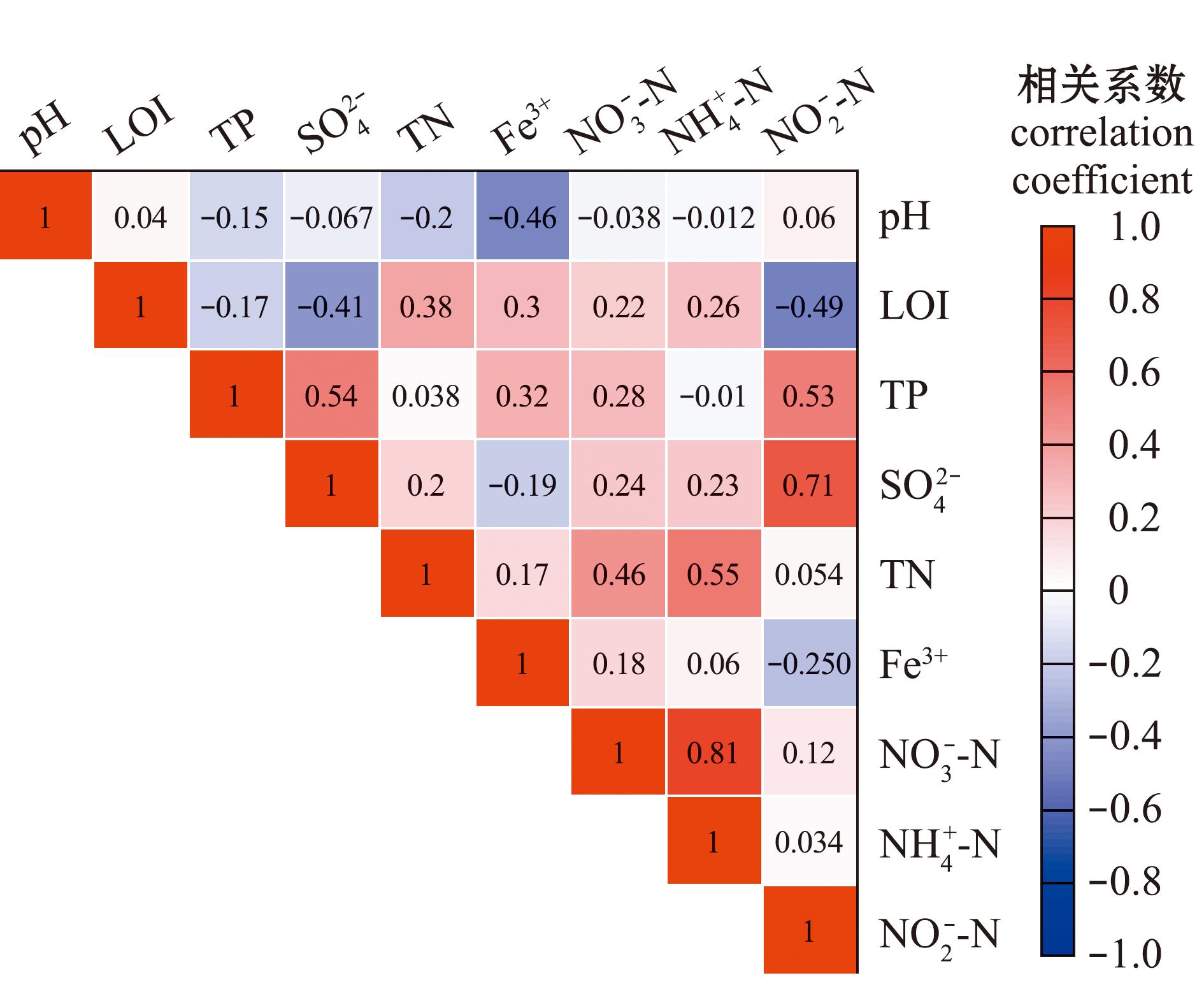
净化区中TP含量低于养殖池,随着养殖周期的进行,养殖池和净化区中的TP含量逐渐下降,尾水排放地中TP含量呈先减少后增加的趋势。8月和10月 TP含量逐渐减少,但12月尾水排放地明显高于养殖池和净化区。从图2可见,TP含量与 含量呈显著正相关,TN含量与
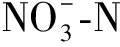 和
和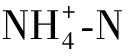 含量呈显著正相关,未见LOI与其他营养成分间的显著相关性。
2.2 沉积物中硝态氮、铵态氮、亚硝态氮含量的变化
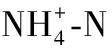
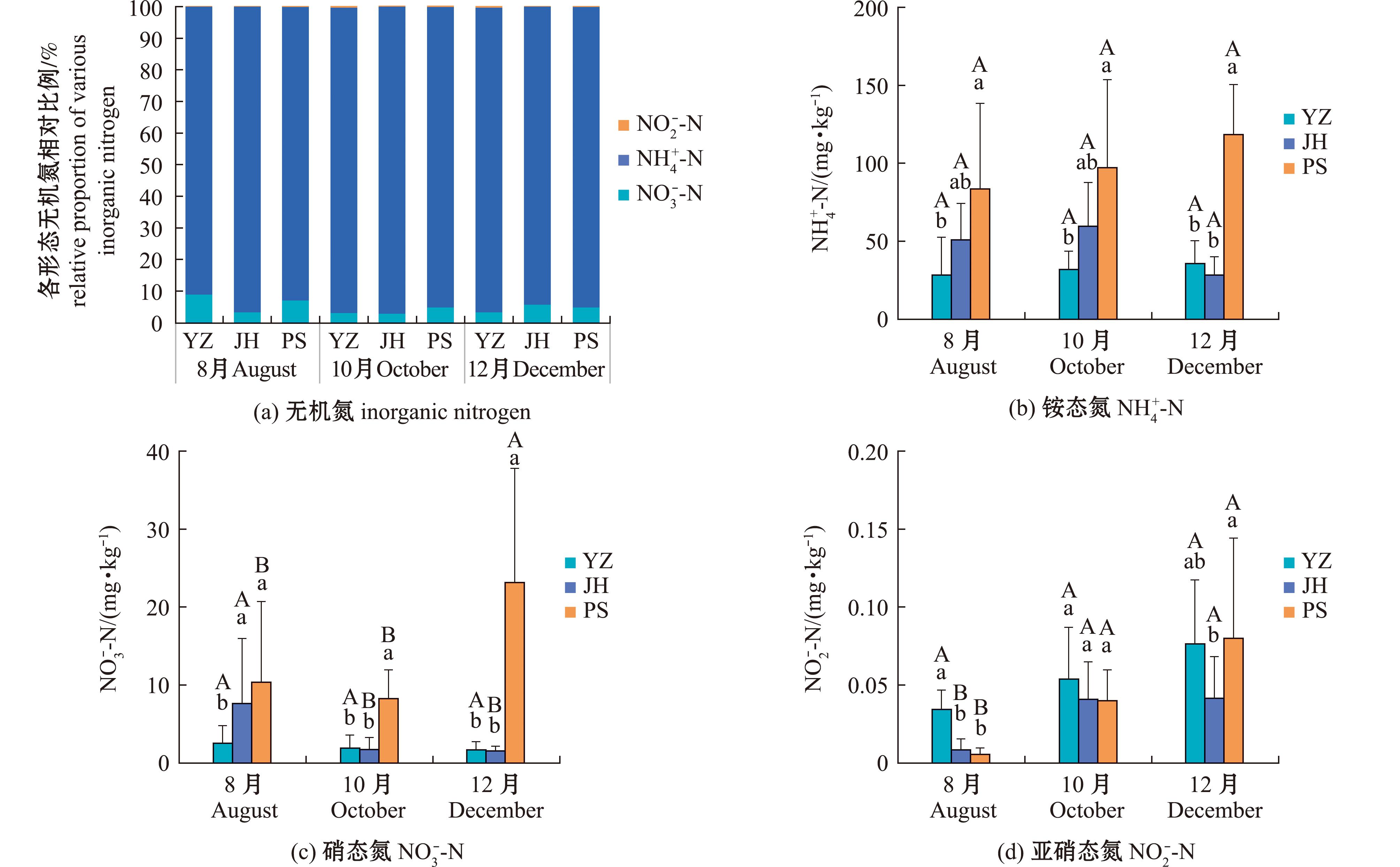
从图3(a)可见,养殖池、净化区和尾水排放地的沉积物中无机氮的主要存在形式为 含量极少,12月尾水排放地的无机氮含量明显高于其他样品。从图2可见,整个养殖过程中,
 和的含量呈显著正相关(P<0.05)。
大口黑鲈养殖周期内,沉积物中硝态氮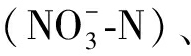 铵态氮
铵态氮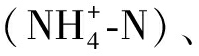 亚硝态氮
亚硝态氮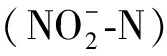 含量的变化如图3所示。同一养殖时期,尾水排放地中
 含量明显高于养殖池和净化区。随着尾水流动,8月,和
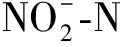 含量逐渐增加;10月,含量先减少后增加,含量逐渐增加,而含量逐渐减少;12月,含量逐渐增加,含量先减少后增加。整个养殖周期内,和含量于12月尾水排放地达到最大值,分别为117.62、31.25 mg/kg。
随着养殖周期的进行,养殖池和净化区中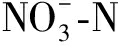 含量逐渐减少,尾水排放地中含量先减少后增加。养殖池和尾水排放地中
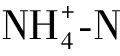 含量逐渐增加,净化区中含量先增加后减少。
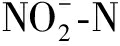 含量变化比较复杂,养殖池和尾水排放地中其含量逐渐增加,净化区中其含量先下降后趋于平稳。
2.3 氮循环耦合反应离子含量的变化
从图2可见, 含量与
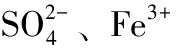
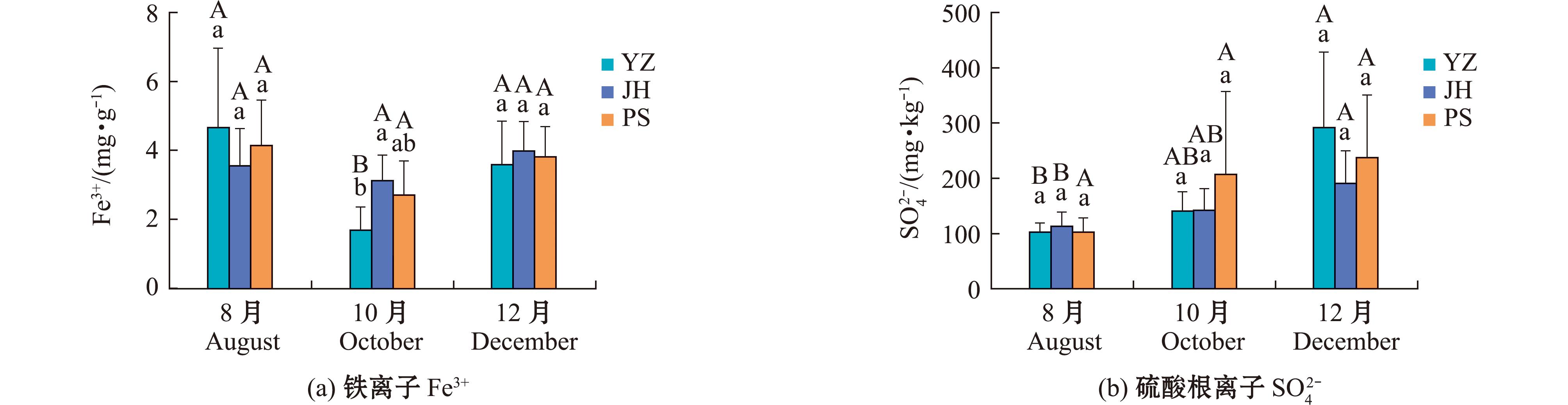
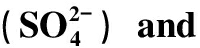
含量与 及TP含量间呈显著正相关(P<0.05)。大口黑鲈养殖周期内,沉积物中的硫酸根
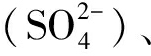 铁离子(Fe3+)的变化如图4所示。同一养殖周期内,含量并未产生明显差异。同一类型的沉积物中含量随着时间延长逐渐增多,在养殖池和净化区中,12月样品中明显高于8月样品(P<0.05)。
8月和12月,不同类型的池塘样品间Fe3+含量未发现明显差异,10月,养殖池中Fe3+含量明显低于净化区(P<0.05)。10月养殖池中Fe3+含量明显低于8月和12月(P<0.05),另外两个池塘类型样品,不同养殖周期间无显著性差异。
3 讨论
3.1 “两坝三区”尾水处理系统对沉积物营养盐分布的影响
“两坝三区”尾水处理系统使养殖系统中的养分富集于沉积物中,PS区成为营养盐的主要富集“热点区”,排水扰动可能是形成富集“热点区”的重要原因。本研究中,PS区具有较高的LOI含量,并且 及等营养盐含量均在12月达到最大值。大量研究表明,尽管净化区能有效截留尾水中的大颗粒态有机物[11-12]及其结合的氮磷营养盐,但沉降速率慢的细颗粒物、胶状有机物[13]及生态池植物残体分解产生的溶解性有机物[14]仍存在于尾水中。PS区作为整个系统的末端,长期接受源自养殖池和净化区处理后的尾水,此外,12月大流量排水产生强烈的水力扰动,可能会破坏表层沉积物的絮凝-沉降平衡结构[15],导致养殖池和净化区沉积物中的营养盐(尤其是颗粒态和吸附态)发生再悬浮[16-17],并且污染物沉降具有滞后性[18],最终大量营养盐随水流进入PS区,导致PS区沉积物营养盐渐进性富集[19-20]。梁利权等[21]通过鱼塘清塘排水试验,证实养殖排水可以引发底泥中营养盐爆发释放,营养盐随水流向下游迁移,最终在流速减缓的区域(如净化区的生态池末端、尾水排放地)再次沉降[22]。此外,PS区通常位于自然水体边缘或沟渠,底泥的水体长期富营养化促进了PS区水生植物(挺水、沉水植物)的旺盛生长[23-24],通过植物根系介导的养分固持作用增强沉积物氮储存能力[25],这也可能是PS区附近沉积物养分含量较多的原因。这种短期内由排水扰动驱动的“内源释放-迁移-再沉降”过程,可能是尾水排放地在12月
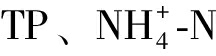 和含量出现异常峰值的主要原因,表明了排水及清淤管理在控制内源污染中的重要性。
3.2 养殖周期与温度协同影响氮形态转化
本研究采样过程中,虽然无机氮的形态与含量在不同功能单元和不同采样时间间呈现动态变化,但在整个养殖周期和所有功能单元中均是无机氮的绝对主导形态(占比>99%,图 含量与TN含量间呈现显著正相关性,且在PS区和YZ区中随养殖进程持续积累,最终在12月PS区达到峰值(117.62 mg/kg),相比之下,和含量极低,这可能与持续的有机质矿化和温度对硝化作用的抑制作用有关。
8月—10月为大口黑鲈的生长旺盛期,水产养殖系统中氮磷输入量大幅增加,本研究结果显示,LOI与的含量呈现正相关(图2),8月—10月两者含量变化趋势相同,这可能与持续的有机质矿化是的重要来源有关[26]。进入系统的会发生硝化作用,生成其他形态的无机氮,而温度是调控氮形态转化的核心因子[27],驱动硝化作用发生的氨氧化菌(AOA/AOB)和亚硝酸盐氧化细菌(NOB)受到温度的调控作用,二者适应温度通常为25 ℃~30 ℃[3]。随着养殖周期的进行,温度在不断变化,8月—10月温度有利于硝化作用的发生,且促进的转化[11],YZ区、JH区及PS区沉积物中含量明显增多。由于硝化菌群对低温环境十分敏感,12月时温度低于15 ℃,硝化菌群代谢活动可能受到抑制[28],导致向和的转化受阻[29-30],致使不断积累。王瑜等[31]在研究天然生态系统时也发现,低温导致沉积物释放减少,可进一步解释本研究中造成富集的原因。未来还需通过宏基因组学,解析AOA、AOB和NOB的群落动态,以量化温度对硝化作用的具体抑制阈值。
3.3  与Fe3+耦合影响磷的稳定性与积累
沉积物中磷的保留和释放过程主要被铁和磷循环之间的相互作用制约[32],有研究表明,沉积物中大部分的无机磷(Pi)可以与铁结合形成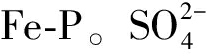 作为Fe-P结合的电子受体,Fe3+作为磷的主要吸附载体,硫酸盐
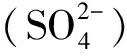 与铁(Fe3+)耦合成为调控沉积物磷(TP)积累与稳定性的关键因子[33-34]。本研究中发现,沉积物中TP含量与Fe3+含量呈显著正相关(图2),这可能是铁和磷在沉积物中呈现同步释放模式造
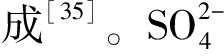 含量与TP含量呈显著正相关,且与Fe3+呈显著负相关(图2),可能是与铁氧化物反应生成S2-及FeS,导致Fe3+的吸附性下降,促使Fe-P分解[36-37]造成,这一现象与Rydin等[38]研究中铁调控模型相吻合。但在10月—12月的沉积物中却发现,和Fe3+浓度无明显变化的情况下,TP含量却整体增加。推测这可能是排水扰动导致氧化还原界面破坏,进而使得沉积物中Fe-P库的稳定性降低[39]。
4 结论
1)“两坝三区”尾水处理系统共同作用,形成了沉积物营养盐由入口至末端的明显梯度分布格局,其中PS区成为营养盐的主要富集“热点区”。排水扰动对表层沉积物的絮凝-沉降平衡结构造成扰动,打破了原有较为稳定的颗粒-孔隙体系。在此过程中,被扰动的表层沉积物及其孔隙水中营养盐发生“内源释放-迁移-再沉降”一系列动态过程。该过程很可能是导致PS区在12月多种营养盐含量出现异常峰值的关键机制。
2)无机氮以为绝对主导形态,氮素形态的时空演变可能是养殖周期推进和温度变化共同作用的结果。一方面,持续的有机质矿化不断产生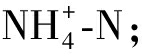 另一方面,低温条件下沉积物硝化作用受到抑制,导致向的转化受限,从而使的生成和释放之间失衡,表现为“持续产生、释放减弱”的特征。上述过程共同促成在沉积物中持续富集,并最终使其成为无机氮的绝对主导形态。
3)沉积物中磷的保留和释放过程受铁与磷循环间相互作用制约。该过程可能表现为铁、磷在沉积物-水界面具有一定的同步释放特征:当氧化还原条件发生变化时,与铁氧化物结合的磷(Fe-P)库稳定性被削弱,从而引发磷的解吸或再迁移。
参考文献:
[1] BAI J J,LUTZ-CARRILLO D J,QUAN Y C,et al.Taxonomic status and genetic diversity of cultured largemouth bass Micropterus salmoides in China[J].Aquaculture,2008,278(1/2/3/4):27-30.
[2] 张雷鸣.大口黑鲈池塘内循环流水养殖与传统池塘养殖模式环境因子变化及氮磷收支比较[D].上海:上海海洋大学,2020. ZHANG L M.Changes of environmental factors and comparison of nitrogen and phosphorus budget between circulating water culture and traditional pond culture in largemouth bass pond[D].Shanghai:Shanghai Ocean University,2020.(in Chinese)
[3] 金渝钦,孟顺龙,徐慧敏,等.生物絮团模式下大口黑鲈养殖水环境及氮磷收支研究[J].渔业科学进展,2025,46(2):204-215. JIN Y Q,MENG S L,XU H M,et al.Aquatic environment and nitrogen and phosphorus balance in Micropterus salmoides culture under biofloc model[J].Progress in Fishery Sciences,2025,46(2):204-215.(in Chinese)
[4] 高杉,吴立新,姜志强,等.牙鲆和贝类混养池塘中氮、磷收支的研究[J].大连海洋大学学报,2011,26(3):203-208. GAO S,WU L X,JIANG Z Q,et al.Nitrogen and phosphorus budgets in a pond with polyculture of Japanese flounder with shellfish[J].Journal of Dalian Ocean University,2011,26(3):203-208.(in Chinese)
[5] SARAZIN G,GAILLARD J C,PHILIPPE L,et al.Organic matter mineralization in the pore water of a eutrophic lake (Aydat Lake,Puy de D me,France)[J].Hydrobiologia,1995,315(2):95-118.
[6] 吴丰昌,万国江,黄荣贵.湖泊沉积物-水界面营养元素的生物地球化学作用和环境效应 Ⅰ.界面氮循环及其环境效应[J].矿物学报,1996,16(4):403-409. WU F C,WAN G J,HUANG R G.Biogeochemical processes of nutrition elements at the sediment-water interface of lakes Ⅰ.nitrogen cyclingand its environmental impacts[J].Acta Mineralogica Sinica,1996,16(4):403-409.(in Chinese)
[7] TIAN K T,BEARDEN W O,HUNTER G L.Consumers' need for uniqueness:scale development and validation[J].Journal of Consumer Research,2001,28(1):50-66.
[8] LIU Q,LEI X J,LI J N,et al.Microbial communities and nitrogen cycling in Litopenaeus vannamei and Mercenaria mercenaria polyculture ponds[J].Aquaculture Reports,2023,33:101769.
[9] YAN Y F,ZHOU J B,DU C H,et al.Relationship between nitrogen dynamics and key microbial nitrogen-cycling genes in an intensive freshwater aquaculture pond[J].Microorganisms,2024,12(2):266.
[10] 刘承情,代梨梨,宋超峰,等.主养草鱼池塘中氨氧化古菌的多样性和种群分布[J].淡水渔业,2020,50(2):79-86. LIU C Q,DAI L L,SONG C F,et al.Diversity and distribution of ammonia-oxidizing Archaea in Ctenopharyngodon idellus aquaculture pond[J].Freshwater Fisheries,2020,50(2):79-86.(in Chinese)
[11] 刘梅,原居林,倪蒙,等.“三池两坝”多级组合工艺对内陆池塘养殖尾水的处理[J].环境工程技术学报,2021,11(1):97-106. LIU M,YUAN J L,NI M,et al.Treatment of inland pond aquaculture tail water by multi-stage combined process of “three ponds and two dams” [J].Journal of Environmental Engineering Technology,2021b;11:97-106.(in Chinese)
[12] 王磊,张哲,王文君,等.“三池两坝”多级池塘对凡纳滨对虾工厂化海水养殖尾水的处理效果研究[J].海洋环境科学,2023,42(5):720-728. WANG L,ZHANG Z,WANG W J,et al.The treatment effects of “Three ponds and two dams” on the wastewater from Litopenaeus vannamei industrialized mariculture[J].Marine Environmental Science,2023,42(5):720-728.(in Chinese)
[13] DITTMAR S,RUHL A S,ALTMANN K,et al.Settling velocities of small microplastic fragments and fibers[J].Environmental Science &Technology,2024,58(14):6359-6369.
[14] LIU S S,FENG W Y,SONG F H,et al.Photodegradation of algae and macrophyte-derived dissolved organic matter:a multi-method assessment of DOM transformation[J].Limnologica,2019,77:125683.
[15] GANESALINGAM D,SIVAKUGAN N,AMERATUNGA J.Influence of settling behavior of soil particles on the consolidation properties of dredged clay sediment[J].Journal of Waterway,Port,Coastal,and Ocean Engineering,2013,139(4):295-303.
[16] 胡明,刘心远,薛娇,等.水深和扰动对北运河沉积物释放的模拟研究[J].环境科学学报,2021,41(1):174-180. HU M,LIU X Y,XUE J,et al.Water depth and disturbance impact on pollutants release from sediment in Beiyun River[J].Acta Scientiae Circumstantiae,2021,41(1):174-180.(in Chinese)
[17] 黄乃先,齐一凡,金伟.排水管道沉积物控制的研究进展[J].环境工程技术学报,2021,11(3):507-513. HUANG N X,QI Y F,JIN W.Research progress on the control of sediments in the drainage pipe[J].Journal of Environmental Engineering Technology,2021,11(3):507-513.(in Chinese)
[18] 方洁.基于多级组合工艺的池塘养殖尾水净化效能及机理研究[D].苏州:苏州大学,2023. FANG J.Study on purification efficiency and mechanism of pond culture tail water based on multi-stage combined process[D].Suzhou:Soochow University,2023.(in Chinese)
[19] 方怡静,李志斐,谢骏,等.尼罗罗非鱼池塘养殖尾水颗粒物质沉降特征分析[J].广东农业科学,2024,51(8):125-137. FANG Y J,LI Z F,XIE J,et al.Sedimentation characteristics of suspended solids in aquaculture wastewater of Nile Tilapia pond[J].Guangdong Agricultural Sciences,2024,51(8):125-137.(in Chinese)
[20] 刘梅,原居林,倪蒙,等.大口黑鲈(Micropterus salmoides)不同养殖模式氮磷收支及养殖效果研究[J].海洋与湖沼,2021,52(3):718-728. LIU M,YUAN J L,NI M,et al.A comparative study on nitrogen and phosphorus budget and aquaculture effect of Micropterus salmoides in two modes[J].Oceanologia et Limnologia Sinica,2021,52(3):718-728.(in Chinese)
[21] 梁利权,郭春霞,陈小华,等.水产养殖清塘过程污染排放特征及对周边水体影响:以太湖下游典型鱼类集约化养殖区为例[J].湖泊科学,2023,35(1):181-191. LIANG L Q,GUO C X,CHEN X H,et al.Characteristics of pollution discharges during pond cleaning in typical fish ponds in Taihu Basin and its impacts on water environment[J].Journal of Lake Sciences,2023,35(1):181-191.(in Chinese)
[22] 史鹏程,朱广伟,杨文斌,等.新安江水库悬浮颗粒物时空分布、沉降通量及其营养盐效应[J].环境科学,2020,41(5):2137-2148. SHI P C,ZHU G W,YANG W B,et al.Spatial-temporal distribution of suspended solids and its sedimentation flux and nutrients effects in Xin’anjiang Reservoir,China[J].Environmental Science,2020,41(5):2137-2148.(in Chinese)
[23] 潘傲,张智,孙磊,等.种植不同植物的表面流人工湿地净化效果和微生物群落差异分析[J].环境工程学报,2019,13(8):1918-1929. PAN A,ZHANG Z,SUN L,et al.Purification effects and microbial community differences of the surface-flow constructed wetlands with different vegetation plantation[J].Chinese Journal of Environmental Engineering,2019,13(8):1918-1929.(in Chinese)
[24] 王凌宇,江敏,吴昊,等.综合生态净化系统对凡纳滨对虾养殖尾水的净化效果[J].水产学报,2026,50(3):114-127. WANG L Y,JIANG M,WU H,et al.Purification effect of comprehensive ecological purification system on tail water of Litopenaeus vannamei culture[J].China Industrial Economics,2026,50(3):114-127.(in Chinese)
[25] 蒋婧,宋明华.植物与土壤微生物在调控生态系统养分循环中的作用[J].植物生态学报,2010,34(8):979-988. JIANG J,SONG M H.Review of the roles of plants and soil microorganisms in regulating ecosystem nutrient cycling[J].Chinese Journal of Plant Ecology,2010,34(8):979-988.(in Chinese)
[26] HAN L L,WANG H L,GE L H,et al.Transition of source/sink processes and fate of ammonium in groundwater along with redox gradients[J].Water Research,2023,231:119600.
[27] 周静,王奂玲,王建宇,等.北京市地下水中三氮的转化规律探讨[J].环境科学导刊,2017,36(4):5-9. ZHOU J,WANG H L,WANG J Y,et al.Transformation regularity of three forms of nitrogen in Beijing groundwater[J].Environmental Science Survey,2017,36(4):5-9.(in Chinese)
[28] LI R,YU L F,JIANG R,et al.Thermodynamic characteristics of nitrifiers reveal the potential NOB inhibition strategies at low temperatures[J].Journal of Cleaner Production,2024,483:144255.
[29] 卢昶雨,王兰涛,靳镇海,等.温度对湖湾沉积物垂向氮吸附特征影响的研究[J].环境科学与技术,2023,46(7):130-139. LU C Y,WANG L T,JIN Z H,et al.Effect of temperature on vertical nitrogen adsorption characteristics of sediments in lake bay[J].Environmental Science &Technology,2023,46(7):130-139.(in Chinese)
[30] 崔会芳,陈淑云,杨春晖,等.宜兴市横山水库底泥内源污染及释放特征[J].环境科学,2020,41(12):5400-5409. CUI H F,CHEN S Y,YANG C H,et al.Endogenous pollution and release characteristics of bottom sediments of Hengshan Reservoir in Yixing City[J].Environmental Science,2020,41(12):5400-5409.(in Chinese)
[31] 王瑜,王西涵,华玲玲,等.环境因子对河流底泥-水界面氮释放规律影响[J].环境科学与技术,2024,47(9):110-119. WANG Y,WANG X H,HUA L L,et al.The influence of environmental factors on nitrogen release from the river sediment-water interface[J].Environmental Science &Technology,2024,47(9):110-119.(in Chinese)
[32] ZHU D D,HANG X S,XU M Q,et al.Interactions between iron and sulfur on the release and dynamics of phosphorus in eutrophic lake sediments[J].Journal of Soils and Sediments,2025,25(1):313-327.
[33] PING Q,ZHANG B Q,ZHANG Z P,et al.Speciation analysis and formation mechanism of iron-phosphorus compounds during chemical phosphorus removal process[J].Chemosphere,2023,310:136852.
[34] 谭立贤,康得军,刘成,等.丘陵山区水库沉积物-水界面磷源汇转换机制[J].中国环境科学,2024,44(4):2137-2147. TAN L X,KANG D J,LIU C,et al.Mechanisms of phosphorus source-sink transformation across the sediment-water interface of a hilly and mountainous reservoir[J].China Environmental Science,2024,44(4):2137-2147.(in Chinese)
[35] MÜNCH M A,VAN KAAM R,AS K,et al.Impact of iron addition on phosphorus dynamics in sediments of a shallow peat lake 10 years after treatment[J].Water Research,2024,248:120844.
[36] 刘峰,董佩谕,高云芳,等.参虾生态养殖池塘系统氮磷收支、赋存与分布特征研究[J].海洋与湖沼,2024,55(4):931-941. LIU F,DONG P Y,GAO Y F,et al.Research on budgets,occurrence,and distribution of nitrogen and phosphorus in ecological aquaculture ponds for sea cucumber and shrimp[J].Oceanologia et Limnologia Sinica,2024,55(4):931-941.(in Chinese)
[37] 刘笑天,刘军,王以斌,等.不同溶解氧条件下沉积物-水体系磷循环[J].环境科学,2022,43(12):5571-5584. LIU X T,LIU J,WANG Y B,et al.Phosphorus cycling in a sediment-water system controlled by different dissolved oxygen levels of overlying water[J].Environmental Science,2022,43(12):5571-5584.(in Chinese)
[38] RYDIN E.Potentially mobile phosphorus in lake erken sediment[J].Water Research,2000,34(7):2037-2042.
[39] HE L L,CHEN Y C,CHEN S,et al.Effects of Chlorella vulgaris on phosphorus release from ferric phosphate sediment by consecutive cultivations[J].Royal Society Open Science,2022,9(3):211391.
 和铵态氮
和铵态氮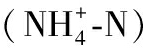 的主要富集区,其TN和TP含量在冬季(12月)达到峰值;
 是无机氮的主要存在形态,且在PS区和YZ区中随养殖进程持续积累,其中12月PS区
 均与TP含量呈显著正相关关系,
 作为Fe-P结合的电子受体,Fe3+作为磷的主要吸附载体,指示了硫酸盐还原和铁结合态磷在沉积物磷循环中的重要作用;12月排水期大流量扰动导致沉积物中营养盐再悬浮释放,并在净化区和尾水排放地再次沉降,因此造成了PS区TN、TP及JH区TN在12月含量升高;研究显示,长期接受来自养殖池和净化区处理后的尾水,使尾水排放地中的沉积物成为营养盐的主要富集“热点区”,沉积物作为系统内关键的“养分中间库”,其营养盐积累特征(尤其是时空富集规律和形态转化)受养殖周期、排水扰动及关键环境因子(温度
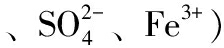 共同驱动。本研究结果为系统优化运行、科学识别清淤区域与时机,特别是在冬季实时动态清淤和植物收割以回收养分、实现沉积物资源化利用提供了科学依据,对于促进大口黑鲈养殖的绿色可持续发展具有重要意义。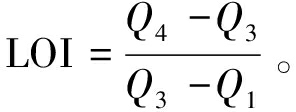
 铁离子(Fe
 iron ion (Fe
 , and ammonium nitrogen
 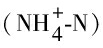 , with TN and TP concentrations peaking in winter (December).
  is the main form of inorganic nitrogen, and it accumulated continuously with the aquaculture process in PS and YZ. The content of
 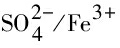 and TP content, where
  Fe
Fe